
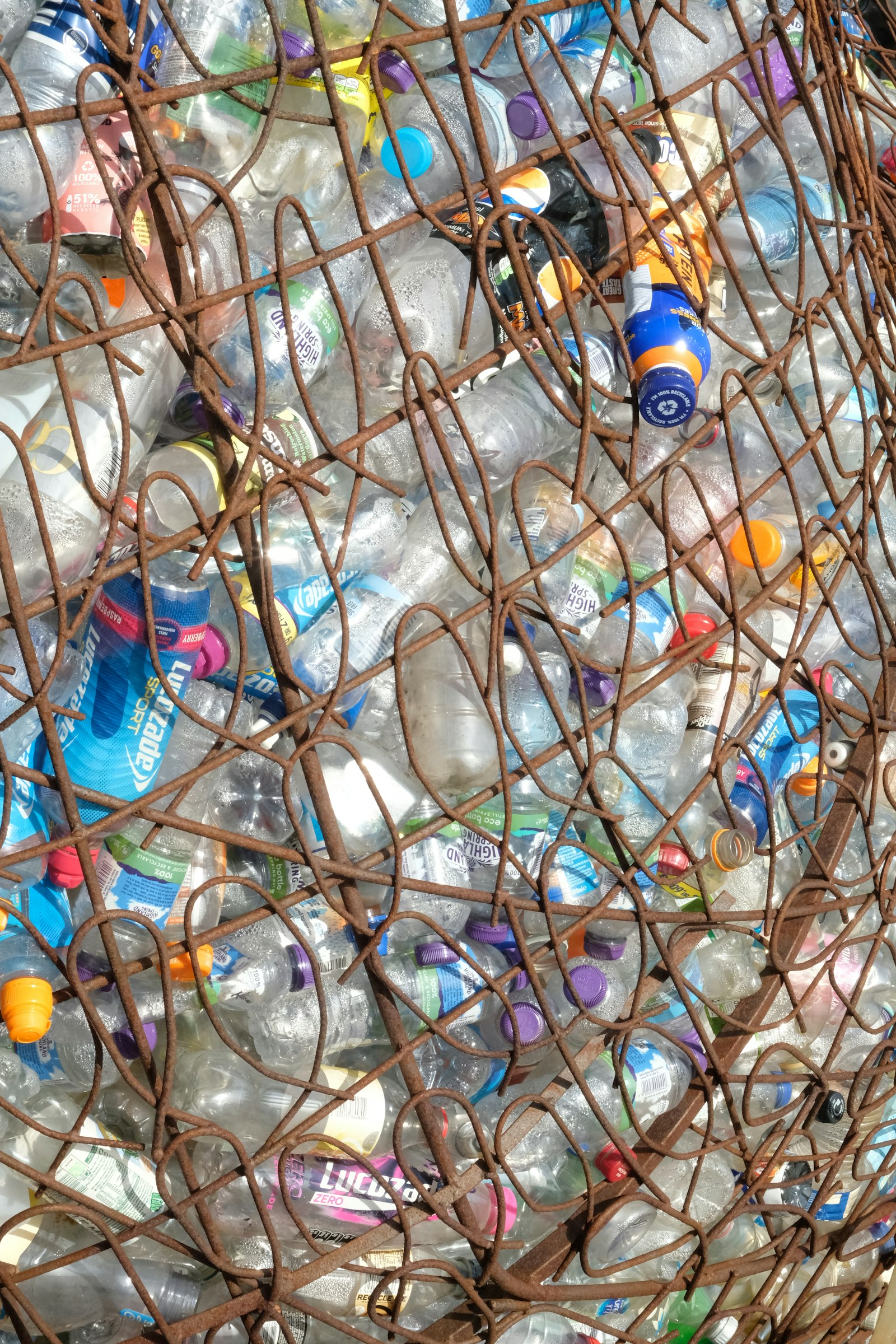
The short answer: PLA is the only common 3D printing filament that's industrially compostable, but it almost never makes it to a composting facility. PETG and ABS need filament-grade recycling, which most municipal programs don't accept. Your best bet for closing the loop on a failed print: a filament recycler (filament made from your scrap) or a take-back program that turns your prints back into new filament.
Why most "recyclable" 3D prints aren't actually recycled
Two systemic problems:
- Sorting. Municipal recycling depends on accurate sorting. PLA, PETG, ABS, ASA, nylon, TPU, PEEK — they all look similar. A recycling sorter can't distinguish a PETG print from a PLA print without expensive analysis. So everything goes to landfill or incineration regardless of the polymer.
- Volume. 3D-printed waste is a tiny fraction of the plastic stream. Recycling infrastructure is built around bottles, packaging, and high-volume industrial scrap. A few grams of failed prints from a hobbyist's basement are economically invisible.
The result: putting a PLA print in your recycling bin doesn't help. It either contaminates the recycling stream or gets sorted out and sent to landfill. The PLA logo on the spool is a polymer designation, not a guarantee of recovery.
What can actually be recycled, and how
PLA
Industrially compostable. PLA breaks down in commercial composting facilities running at 55–70°C with controlled humidity over several months. It does not compost in your backyard pile (too cold), and it does not degrade meaningfully in a landfill (no oxygen, no heat).
If your city has industrial composting and accepts bioplastics: PLA can go there. Most cities don't. Check first.
PETG
Same polymer family as PET (soda bottles). In theory, recyclable. In practice, the glycol modification (the "G") changes the melt behavior enough that mixing PETG with bottle PET contaminates the bottle stream. Most recyclers don't accept it.
ABS, ASA
Recyclable in industrial settings — ABS is the same plastic as LEGO bricks and car interiors, both of which are recycled in the auto and toy industries. Hobby-scale ABS waste isn't accepted by municipal programs. Same volume problem.
DIY: turn failed prints into new filament
This is where most of the actual closed-loop recycling happens in the 3D community.
The setup: a filament recycler (often called a "recyclator" or "filabot"). It's a machine that grinds failed prints into pellets, then extrudes them back into filament. Open-source designs exist (Recyclebot, Polyformer); commercial machines run €1,500–€5,000.
The math: a typical hobbyist generates 200–500g of failed-print scrap per month. A recycler running at 50% energy efficiency turns that scrap into ~250g of new filament — roughly €5 worth of bought filament saved per month. The ROI on the machine itself is years, not months. But for makers who care about the loop, it's the most direct way to close it.
Caveat: recycled filament is rarely as good as virgin filament. Print quality drops, color consistency drops. Most makers who recycle use the recycled filament for prototyping, jigs, and internal tooling — not for products they sell to customers.
Take-back programs
A small but growing number of filament brands run take-back programs: you ship them your failed prints, they grind and re-extrude into new filament, you get a discount on your next spool. Polymaker's PolyTerra, Refilamer, and a handful of EU initiatives operate this way.
The challenge: shipping 200g of plastic across borders eats most of the carbon savings. Take-back programs work best at regional scale (within a country) or aggregated through marketplaces.
What "circular" actually requires
For 3D printing to be genuinely circular at scale, three things need to align:
- Sorted collection at the maker level. Failed prints labeled by material before they enter the waste stream.
- Aggregated regional processing. Municipal recycling is too generic; brand take-back is too small. Marketplaces and maker-spaces are the natural aggregators.
- End-market for recycled filament. Recycled filament needs buyers willing to accept the (slight) quality drop in exchange for the loop.
This is the gap DDDIMO is built to close. Marketplace-aggregated take-back, regional grinding partners, and a clear "recycled" label on filament listings so buyers can choose to close the loop with their wallet.
DDDIMO is building a circular 3D ecosystem — products born, sold, and recycled in one place. Get early access.